Thinking about a new garden wall or brickwork repairs in Wirral? Costs, wall types, why walls fail, and how to spot a quality build, from CNR Construction.
A garden wall is one of those jobs people assume is simple. It is bricks on top of bricks, how hard can it be? Then a few winters pass, the wall starts leaning, the mortar crumbles, and they find out exactly how hard it was supposed to be done.
I have built and repaired a lot of brickwork across Wirral over the years, from decorative boundary walls to structural retaining walls holding back a sloped garden. The difference between a wall that lasts fifty years and one that fails in five almost always comes down to the part you cannot see once it is finished. So here is what actually matters, what it costs, and how to tell good brickwork from a quick job that will cost you twice.

The main types of garden wall
Not every wall does the same job, and the type you need changes how it has to be built.
- Boundary walls mark the edge of your property, usually along the front or between gardens. They are the most common job we do and the most likely to be built badly by someone cutting corners.
- Retaining walls hold back soil where the ground is higher on one side, such as a raised garden or a sloped plot. These are structural. Get them wrong and they fail, sometimes suddenly.
- Dwarf walls are low walls, often topped with railings or fencing, or used as the base of a porch or planter.
- Feature and decorative walls are about looks as much as function: brick banding, curved sections, piers, and matching the brick to the house.
A boundary wall and a retaining wall might look similar from the street, but the retaining one is doing a much harder job and needs proper foundations, drainage, and often steel reinforcement. Treating one like the other is how walls end up bulging and cracking.
What makes a wall last
Here is the part people skip. A brick wall is only as good as what sits under and inside it.
- Foundations. A proper concrete footing, dug to the right depth below ground, is non-negotiable. Lay bricks straight onto topsoil and the wall will move the first time the ground freezes or dries out.
- A damp-proof course. Without a DPC, moisture wicks up from the ground into the brickwork. Over a few winters that water freezes, expands, and blows the face off the bricks.
- The right mortar mix. Too strong and the wall cannot flex, so it cracks. Too weak and it crumbles. The mix should suit the bricks and the exposure, not just whatever was in the mixer that day.
- Coping or a capping course. The top of the wall takes the most weather. A proper coping sheds rainwater away from the face instead of letting it soak straight down into the wall.
- Movement joints and piers on longer runs, so the wall can cope with expansion without splitting.
None of this shows in a photo of the finished wall. That is exactly why it gets left out by the wrong builder, and why two walls that look identical on day one are in completely different condition five years later.

What does a garden wall cost in Wirral?
Every wall is different, so the honest answer is that we quote after seeing the site. Foundations depend on the ground, the price changes with the brick you choose, and a retaining wall costs far more than a straight boundary wall of the same length. That said, homeowners always want a ballpark, so here is a fair guide.
Brickwork price guide · Wirral
- Standard brick boundary wall — from around £150–£250 per m² of wall face
- Retaining wall — from around £250–£450+ per m², due to engineering and drainage
- Decorative brick (banding, curves, piers) — adds to the base rate for the extra labour and materials
- Repointing — roughly £30–£60 per m² depending on access and condition
- Small repairs (e.g. a failed lintel) — often a fixed price per job
Guide figures only. Foundations, brick choice, height, and access all change the final price. Every wall is quoted after a site visit.
The cheapest quote is rarely the cheapest wall. If one price is well below the others, the saving is usually coming out of the foundation depth or the mortar, which are the two things you most need them not to skimp on.
Retaining walls are a different job
If your garden is higher than next door, or you are levelling a slope, you are into retaining wall territory and the rules change. A retaining wall has tonnes of soil and water pushing against it constantly, so it needs deeper foundations, a thicker build, drainage behind it to relieve water pressure, and often steel reinforcement or an engineer's design depending on the height.
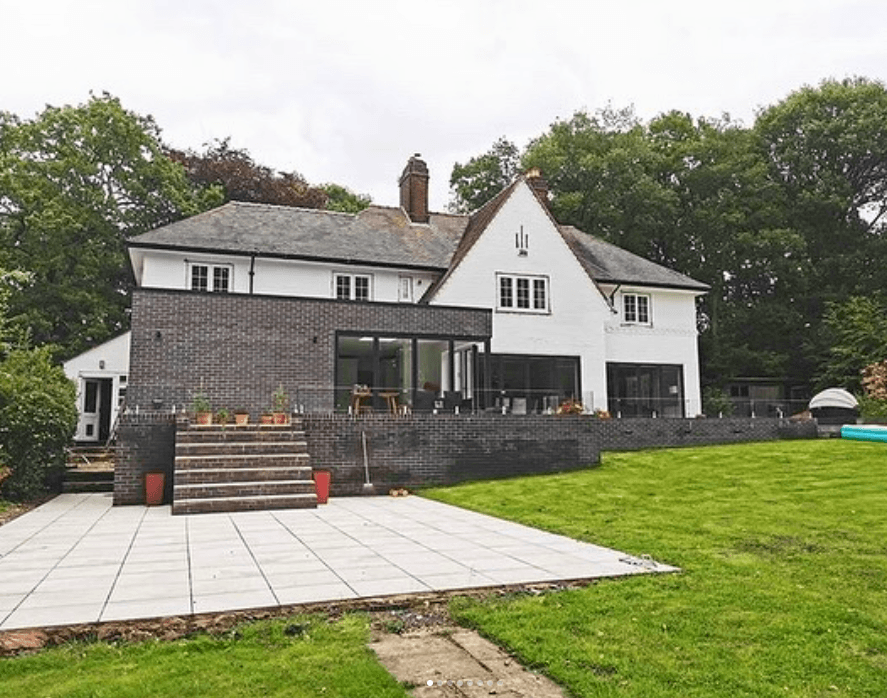
On our Willaston rear extension we built a curved retaining garden wall as part of the landscaping, tied into the levels around the new patio. That kind of wall is doing structural work rather than just marking a boundary, and it has to be built to take the load. Anyone who quotes you the same rate for a retaining wall as a simple boundary wall has not understood the job.
Repairs, repointing, and when to rebuild
Brickwork does not last forever without a bit of attention. The good news is that most problems are far cheaper to fix early than to leave.
Worth getting looked at:
- Crumbling or missing mortar between bricks. Repointing now stops water getting in and saving the wall. Leave it and the damage spreads.
- Cracked or stepped cracking through the brickwork, which can point to movement or foundation problems.
- A failed or sagging lintel above a door, window, or opening. We had a call from a homeowner in New Brighton whose outhouse lintel had failed and the brickwork above had started to drop. We assessed it, booked it in, and had it repaired the same week. You can see the before and after on that job here.
- Blown or spalled brick faces, usually from damp and frost, where the front of the brick has flaked off.
- A wall that leans or bulges, which is your sign to stop waiting and get it checked.
Not every old wall needs ripping out. Often a section can be rebuilt or repointed and the rest left alone. We will always tell you straight whether a repair will hold or whether a rebuild is the sensible spend.


Do you need planning permission for a garden wall?
Usually not, but there are limits worth knowing before you build.
A wall next to a road, footpath, or other highway can be built up to 1 metre high under permitted development. Anywhere else, such as a rear or side boundary, you can go up to 2 metres without permission. Above those heights you will need planning permission. Listed buildings and conservation areas have tighter rules, so check first if your home falls into either.
There is one more thing people forget: if the wall sits on the boundary line you share with a neighbour, the Party Wall Act can apply, and you may need a written agreement before you start. It is easy to sort early and a headache to sort after the fact.
Why homeowners across Wirral call CNR
We are a Wirral-based building firm and we have been laying and repairing brickwork across Merseyside and Liverpool for over 11 years. Garden walls, retaining walls, repointing, lintel repairs, and the matching structural brickwork that ties a new extension into an existing house: it is bread-and-butter work for us, and we do it to the same standard whether it is a full extension or a single failed lintel.
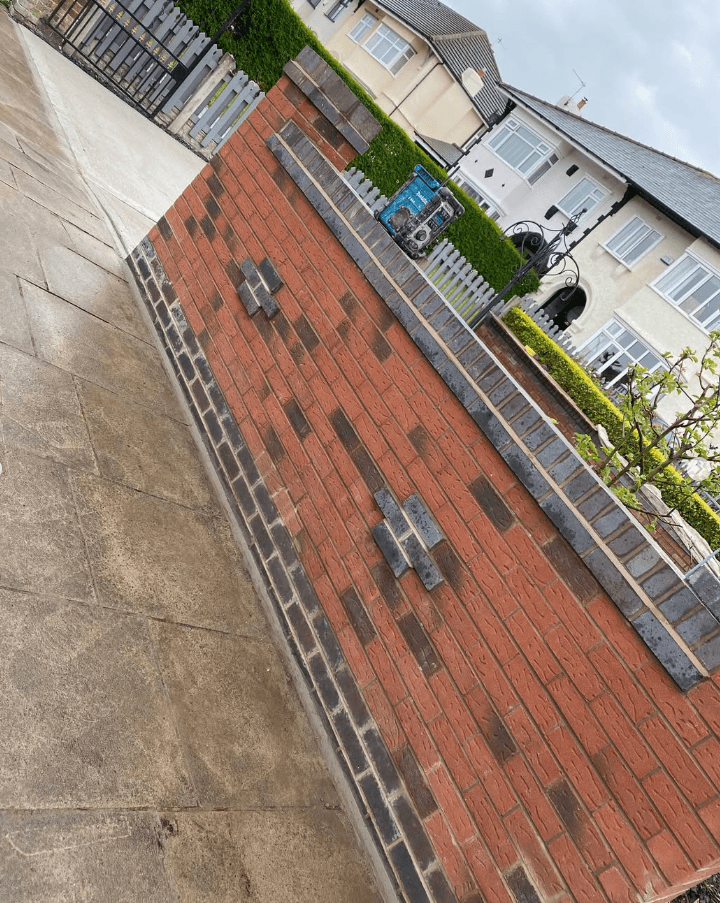
CNR Construction is a registered limited company and fully insured. Have a look at our garden boundary wall in Wirral and the rest of the project gallery to see the finish, then get in touch and we will come and price your job properly.
Frequently asked questions
Ready for Your Free Quote?
No obligation, no pressure — just honest advice from Wirral's trusted builders.
Get a Free Quote